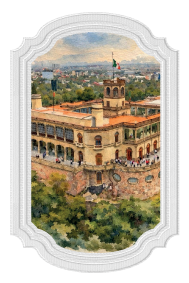
Castillo de Chapultepec
It is located at the entrance of Chapultepec Park at a height of 2,325 meters above sea level. The hill was a sacred place for the Aztecs, and the buildings atop it have served several purposes during the history of Mexico including the Military Academy, Imperial residence, Presidential home, observatory, and since the 1940s, the National Museum of History. Chapultepec Castle, along with Itsurbide Palace, are in Mexico City, and the only royal palaces in North America.
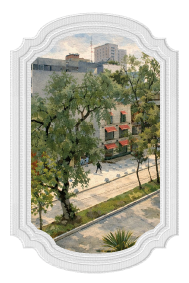
Avenida Masaryk-Polanco
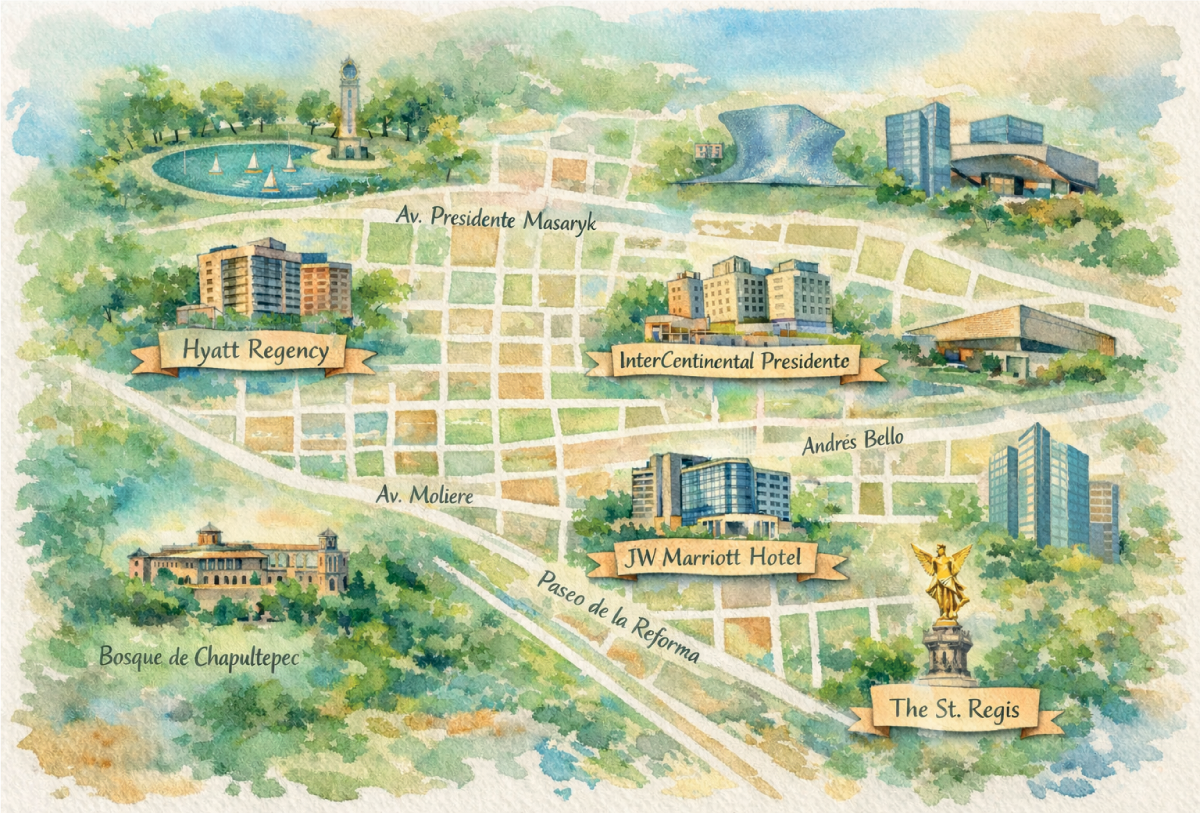
Avenida Presidente Masaryk is a thoroughfare in the affluent Polanco neighborhood of Mexico City. It stretches from Calzada General Mariano Escobedo in the east to Avenida Ferrocarril de Cuernavaca in the west, passing along the north side of the Polangato restaurant district that borders Parque Lincoln. Avenida Madero to the Historic Center for the title of street with the highest rent in the city.
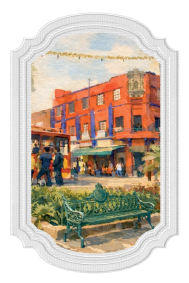
Coyoacán
To distinguish it from the rest of Coyoacán borough the former independent community is referred to as Villa Coyoacán or the historic center of the borough. Covering an area of 54 blocks, it is one of the oldest neighborhoods in Mexico City, located 10 km south of the Centro zone quarter of Mexico City. This area is filled with narrow cobblestone streets and small plazas, which were laid out during the colonial period, and today give the area a distinct and bohemian identity.
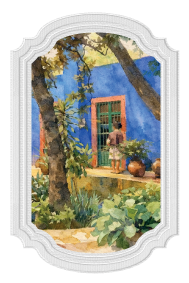
Frida Kahlo House & Museum
La Casa Azul (The Blue House) is the place where prominent Mexican artist Frida Kahlo lived. In this beautiful residence, the artist lived most of her life; initially with her family and years later, with Diego Rivera, interweaving Mexican art through cultural art objects, artworks by the captivating couple and others. The Blue House celebrates the national original Frida Kahlo for excellence, as well as her personal belongings, along with illustrating her home, artwork, and the city of Coyoacán.
Memory & Tolerance Museum
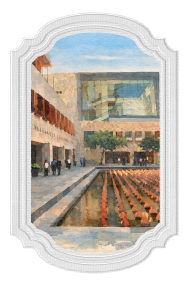
The museum opened in 2010 to focus on the consequences of indifference, discrimination and violence. Through thematic exhibits, the museum teaches us about the great evil committed by humankind against humanity because of religion, ethnic or other forms of intolerance. The museum seeks to be a channel of expression for understanding cultural diversity and a step towards eradicating hatred and genocide.
Teotihuacán
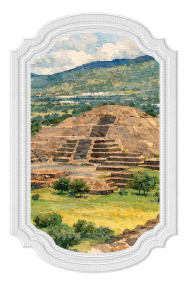
The UNESCO site is an ancient Mesoamerican city located 40 kilometers northeast of the Valley of Mexico, which is located in the State of Mexico. 50 kilometres (31 mi) northeast of modern-day Mexico City. Teotihuacán is known today as the site of many of the most architecturally significant Mesoamerican pyramids built in the pre-Columbian Americas, as the complex, growing on the lower half of the first millennium of 100 BCE.
National Museum of Anthropology
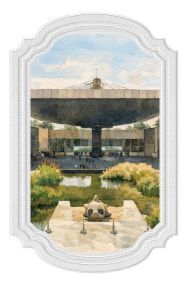
The National Museum of Anthropology is the largest and most visited museum in Mexico. Located in the area between Paseo de la Reforma and Mahatma Gandhi Street within Chapultepec Park in Mexico City, the museum contains significant archaeological and anthropological artifacts from Mexico’s pre-Columbian heritage, such as the Stone of the Sun (or the Aztec calendar stone) and the Aztec Xochipilli statue.
Museo Soumaya
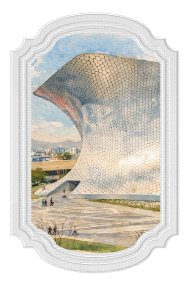
The Museo Soumaya is a private museum in Mexico City and a non-profit cultural institution with two museum buildings in Mexico City — Plaza Carso and Plaza Loreto. It has over 66,000 works from 30 centuries of art including sculptures from Pre-Hispanic, colonial and modern Mexico, as well as religious art and art from such as Auguste Rodin, Salvador Dalí, Bartolomé Esteban Murillo and Tintoretto. It is called one of the most complete collections of its kind.
Palacio de Bellas Artes
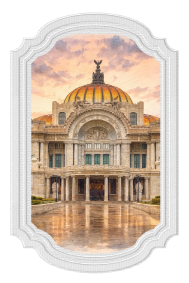
The Palace of Fine Arts in Mexico City is a prominent cultural center in Mexico City. It is one of the many public buildings built during the government of Porfirio Díaz, who ran office from 1876 to 1911. The building’s interior murals from several of Mexico’s famous muralist artists, including Diego Rivera, José Clemente Orozco, David Alfaro Siqueiros, and Rufino Tamayo, and houses exhibition halls for sculptures and paintings.
Roma-Condesa
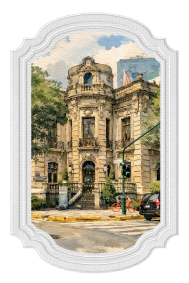
Colonia Roma is the hipster haven of Mexico City, located west of Centro Histórico and hugging the eastern edge of the Condesa neighborhood. Originally a neighborhood of stately mansions for wealthy Mexican families during the Porfiriato era, the neighborhood has rippled a recent renaissance — check out Roma’s combination of art deco mansions, colorful street art, and, of course, the neighborhood’s lighted cafe, bars of Mexico City to enjoy, and Roma is considered one of the hippest neighborhoods around.